





Automatic data collection
Accueil (Portail TTS) >Intelligent Transport Systems > Dynamic System and Signs > Automatic data collection


All of our methods and tools are used to collect information on traffic conditions and the performance of signaling equipment. This data collection helps analyze and understand traffic trends, detect potential problems and optimize traffic management to ensure safe and efficient travel.
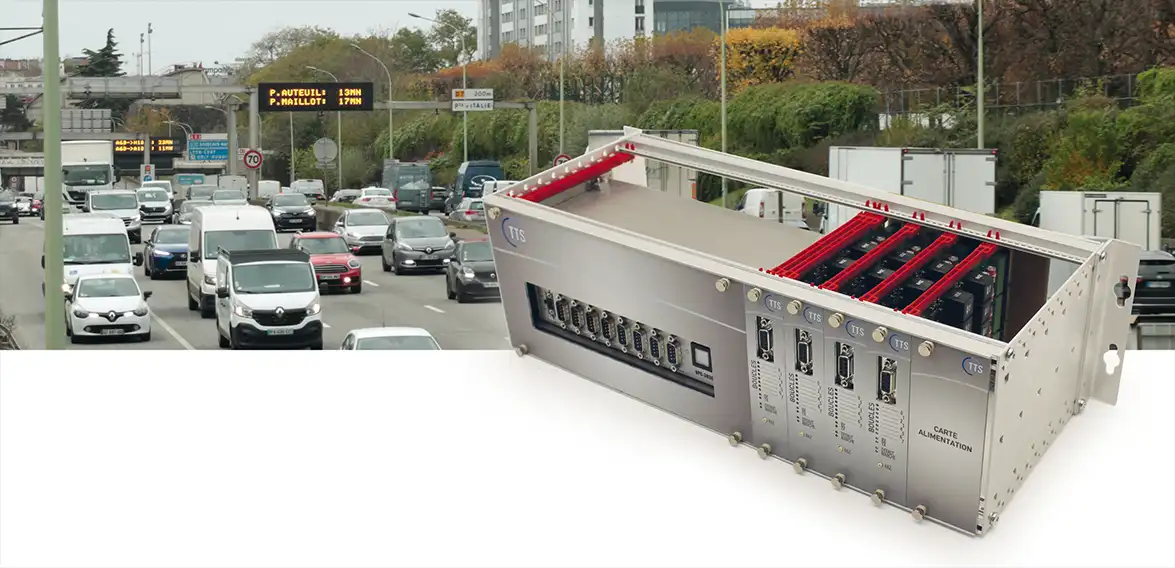
Collect and script systems
Our ability to use advanced technologies beyond data collection allows for concrete projections, helping the operator in decision-making.
The holistic collection and analysis of data with intelligent interconnection of systems and strategic planning, predictive models, user-friendly interface and technological flexibility confirm us as a player anticipating developments in the ITS sector.
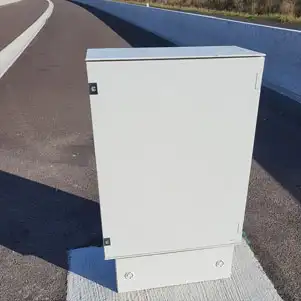
The modularity of the equipment that makes up our automatic data collection system allows all types of installation for our stations: cabinet, semi-rackable or underground.
Our ability to use advanced technologies beyond data collection allows for concrete projections, helping the operator in decision-making.
The holistic collection and analysis of data with intelligent interconnection of systems and strategic planning, predictive models, user-friendly interface and technological flexibility confirm us as a player anticipating developments in the ITS sector.
The modularity of the equipment that makes up our automatic data collection system allows all types of installation for our stations: cabinet, semi-rackable or underground.
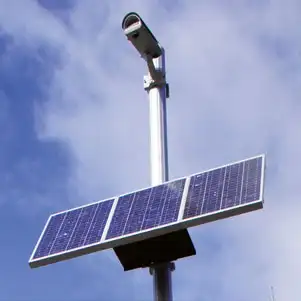

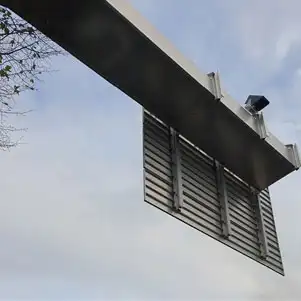
Collection, processing, action The intelligence of our data collection system can be combined with all types of collection means, such as on-board image analysis sensors, cameras, electromagnetic loops, etc. The processing of the information collected allows the implementation of scenarios including our signaling systems, as well as the transmission of alerts to agents or users.
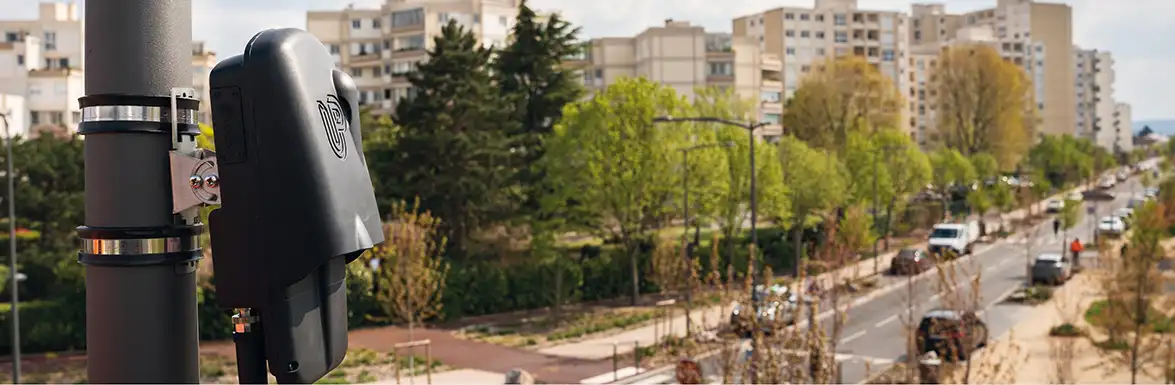
The intelligence of our data collection system can be combined with all types of collection means, such as on-board image analysis sensors, cameras, electromagnetic loops, etc. The processing of the information collected allows the implementation of scenarios including our signaling systems, as well as the transmission of alerts to agents or users.
Statistical data processing In the context of Intelligent Transportation Systems (ITS), developing the capacity to provide powerful statistical data processing infrastructure is of crucial importance:
- Real-time data collection.
- Diversity of data collected.
- Advanced statistical analysis capabilities.
- Traffic scripting.
- Predictive analysis.
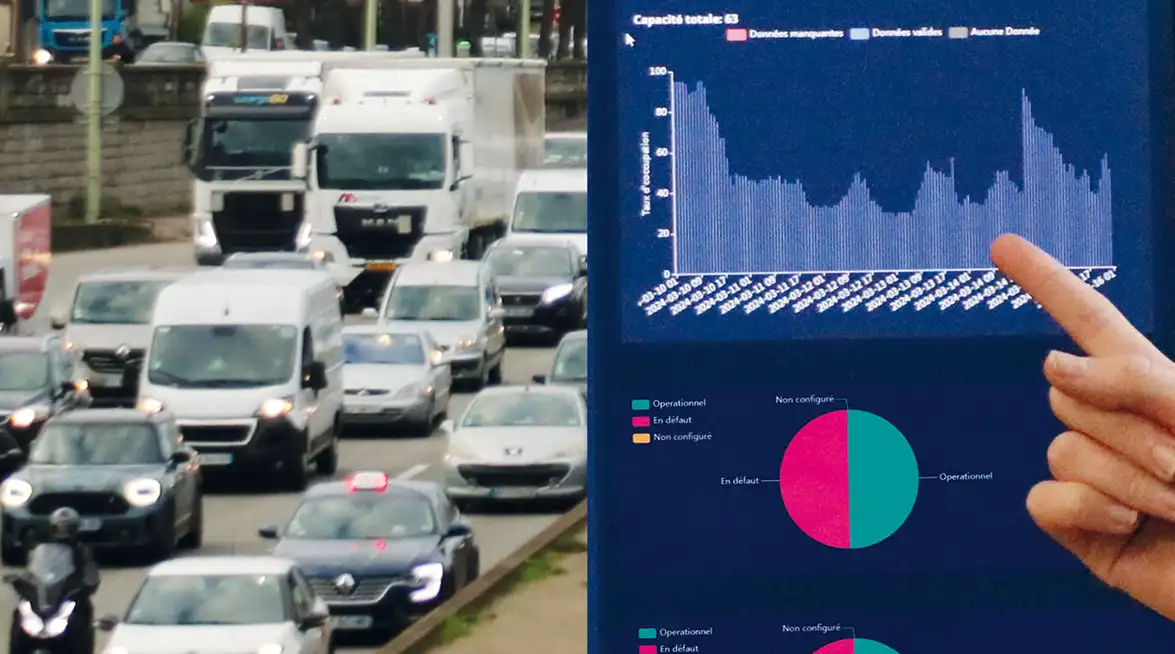
In the context of Intelligent Transportation Systems (ITS), developing the capacity to provide powerful statistical data processing infrastructure is of crucial importance:
- Real-time data collection.
- Diversity of data collected.
- Advanced statistical analysis capabilities.
- Traffic scripting.
- Predictive analysis.
- Real-time data collection.
- Diversity of data collected.
- Advanced statistical analysis capabilities.
- Traffic scripting.
- Predictive analysis.
Automated alert system Automated alert systems are crucial to improving road safety, travel efficiency and traffic management:
- React quickly to critical situations.
- Reduce the risk of accidents.
- Optimize the fluidity of journeys.
- Warn about weather conditions, accidents or obstacles.
- Improve safety and route planning.
- Suggest alternative routes in case of congestion.
- Detect anomalies to facilitate rapid corrective action.
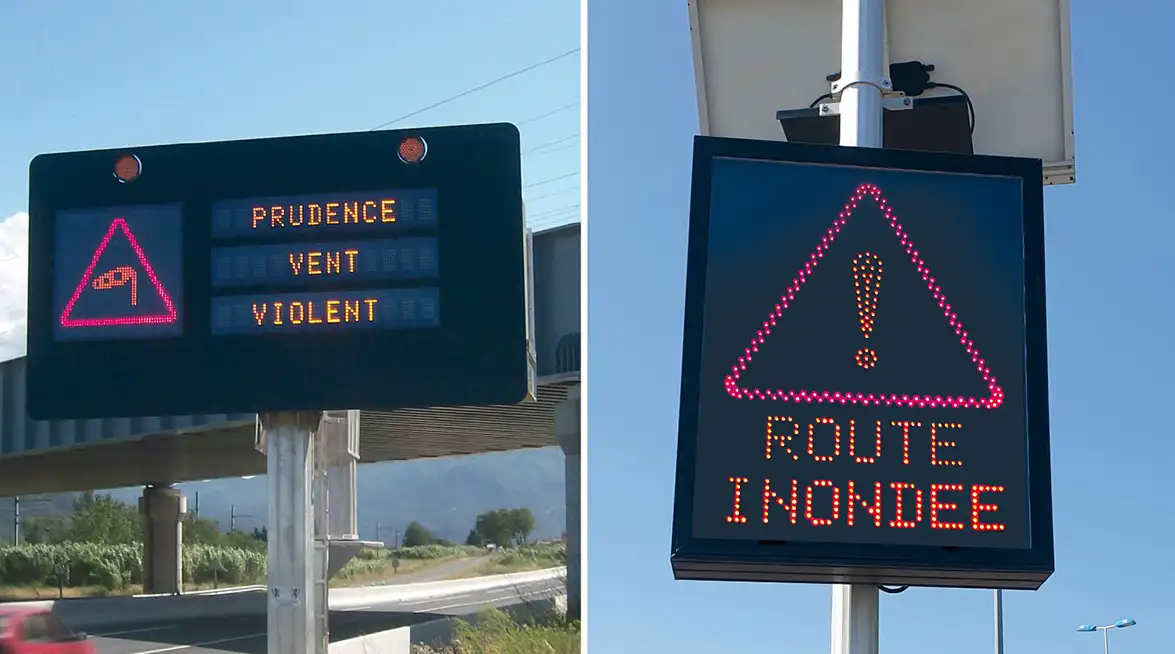
Automated alert systems are crucial to improving road safety, travel efficiency and traffic management:
- React quickly to critical situations.
- Reduce the risk of accidents.
- Optimize the fluidity of journeys.
- Warn about weather conditions, accidents or obstacles.
- Improve safety and route planning.
- Suggest alternative routes in case of congestion.
- Detect anomalies to facilitate rapid corrective action.
- React quickly to critical situations.
- Reduce the risk of accidents.
- Optimize the fluidity of journeys.
- Warn about weather conditions, accidents or obstacles.
- Improve safety and route planning.
- Suggest alternative routes in case of congestion.
- Detect anomalies to facilitate rapid corrective action.
Automatic traffic jam detection The automatic traffic jam detection system mainly uses radar and electromagnetic loops. The calculation unit analyzes traffic, detects traffic jams then transmits to the supervision center, with automatic activation of the signs or manual validation from the center. A decision support camera can be integrated into the system.
This system improves responsiveness by informing motorists in real time and allowing centralized management of alerts for smoother and safer traffic.

The automatic traffic jam detection system mainly uses radar and electromagnetic loops. The calculation unit analyzes traffic, detects traffic jams then transmits to the supervision center, with automatic activation of the signs or manual validation from the center. A decision support camera can be integrated into the system.
This system improves responsiveness by informing motorists in real time and allowing centralized management of alerts for smoother and safer traffic.
This system improves responsiveness by informing motorists in real time and allowing centralized management of alerts for smoother and safer traffic.
Over-sized vehicle detection The clearance detection system ensures that vehicles respect the authorized height, width and length limits. Allowing collisions with bridges, tunnels, footbridges, and other overhanging obstacles to be avoided, thus preserving the integrity of the infrastructure. These devices include preventive signaling to drivers about the proximity of an obstacle at height, automatic diversion of vehicles whose dimensions exceed authorized limits, real-time advice for adjusting the route, and even the possibility of stopping automatically a vehicle in the event of non-compliance with the defined templates.
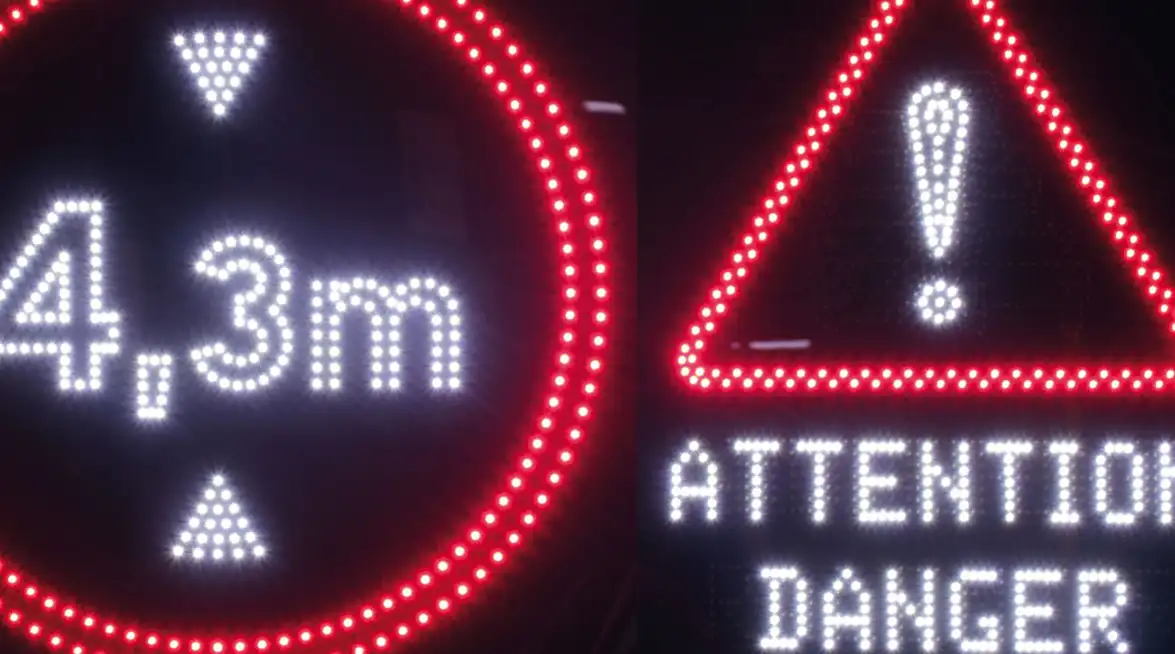
The clearance detection system ensures that vehicles respect the authorized height, width and length limits. Allowing collisions with bridges, tunnels, footbridges, and other overhanging obstacles to be avoided, thus preserving the integrity of the infrastructure. These devices include preventive signaling to drivers about the proximity of an obstacle at height, automatic diversion of vehicles whose dimensions exceed authorized limits, real-time advice for adjusting the route, and even the possibility of stopping automatically a vehicle in the event of non-compliance with the defined templates.